https://www.hackai.org/(March 7-8)
— To learn more, go to the HackAI official website!
Interviewer: All right, thank you for being with us here again. Real quickly, could you please introduce yourself and what your role is at HackAI?
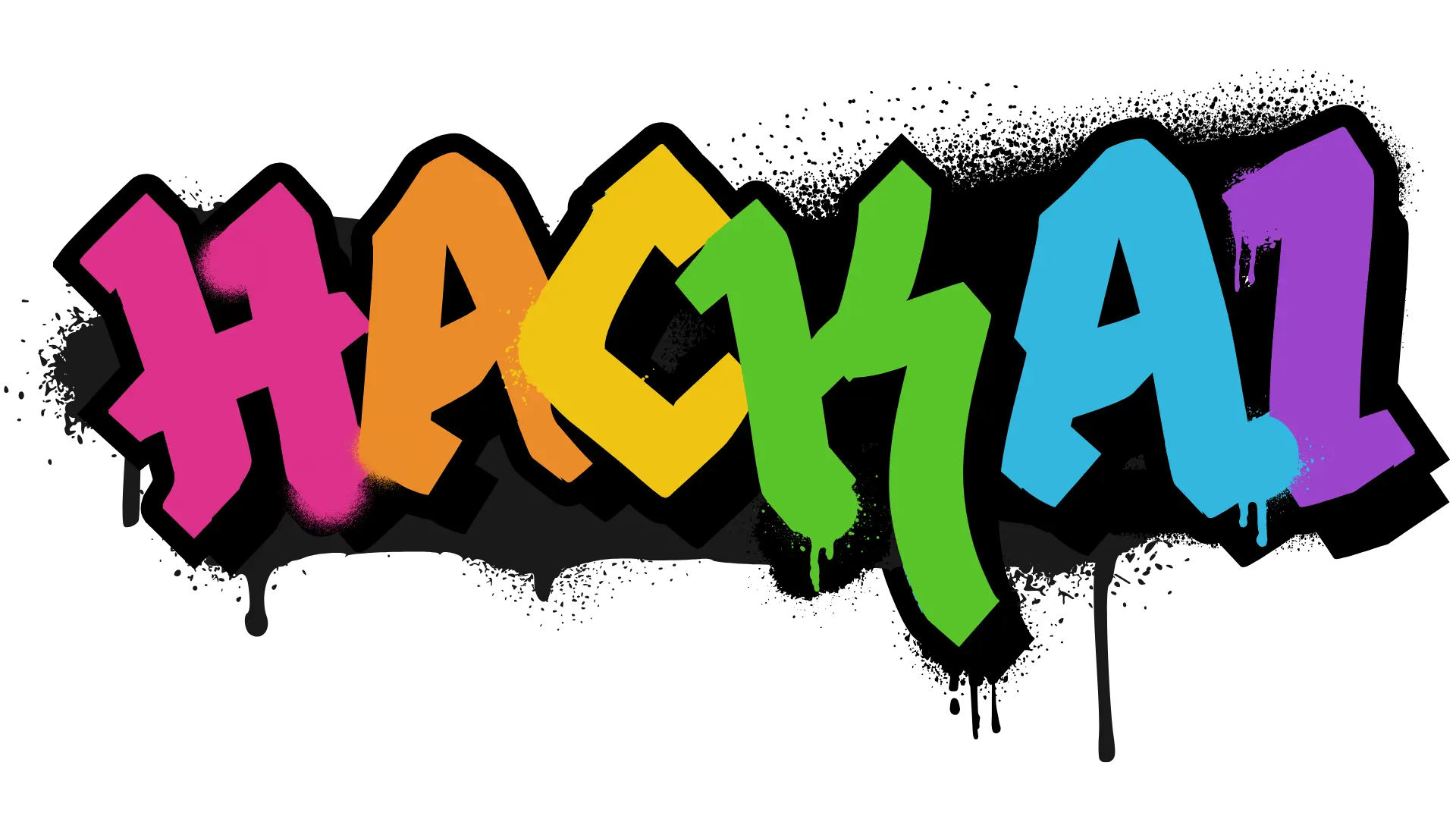
Anveetha: So my name is Anveetha, I'm currently a junior data science major at UTD. My role in AIS in general is the president, but under AIS, we do a lot of different things, but my role in HACK AI is also helping oversee all of our logistics and all of our planning that goes in towards making your hackathon happen.
(I): For someone who doesn't know what HackAI is and they're hearing about it for the first time, could you real quickly explain what it is and give a general overview about the main goal of the hackathon?
(A): So a little bit about HackAI, our goal is in general as an organization, AIS's goal is to demystify AI. We want to be able to give people a platform to do that and so we provide a 24-hour hackathon where people are welcome to try to build AI platforms and AI tools and products essentially. But if you're not able to do that, you're also welcome to use AI to build products and build projects over the course of 24 hours, but again, our goal is to help you demystify AI and help you walk away with something that you hopefully have learned by the end.
(I): To follow up on that, HackAI hasn't always looked the way it has this year because it was a traditional hackathon and now it's an MLH sponsored hackathon. So could you talk more about that?
(A): I mean, HackAI has had a pretty different look every single year. We did it one year and then had to step away from it for a year and then we've been able to put it on for two consecutive years. This time around, we want a little bit more structure and a little bit more support from external organizations, so we reached out to MLH (Major League Hacking) to try to get some more involvement from other schools and also hopefully make it a more exciting place to be for the students that are in HackAI or competing in HackAI. The goal of essentially being a partner of MLH, is to hopefully get more exposure to different tools and so through MLH, we'll be able to provide hardware and things like that and new tracks that students can compete in.
(I): So to go into a bit of an advice mode, what would you say are the most important things that people can prepare for if it's their first time attending HackAI?
(A): So if this is your first time attending a hackathon or HackAI in general, I would say definitely try to step away from it learning as much as possible. My personal experience is. every time I go to a hackathon, I'm like, oh, this is my first time. Every time I go to a hackathon, I try to learn something new and I try to step away from it with a project in hand and with something in hand and so even if your hopes get a little bit low throughout the process, definitely try to finish and follow through with what you're working on. Even if it's not something that is very perfect and is the best thing you've ever seen, it's something you spent 24 hours learning and you spent 24 hours working on and it's something that you have. This is like your brainchild. So, my advice for first time hackers is just try your best and we have something for you, even if you're a beginner so just try your best and do as much as you can within 24 hours.
(I): For someone that's looking to win, right, win the hackathon, win a track at hackathon, what would be some tips that you would give them or what are some things that past winning teams have done that really set them apart from the other teams?
(A): I would say one of the best things that a team can have is a good pitch and a good idea. Obviously within 24 hours a technical implementation of a project is pretty difficult and can be difficult for a lot of people, but having a good pitch and a good idea and a good problem statement and understanding what the problem is and having a good idea that follows through and fixes that problem and understanding how to present that problem to the judges. Yeah, that would be my advice is making sure your pitch is as perfect as possible.
(I): What's one thing a team could do that could make them lose automatically.
(A): Some of our disqualification criteria is starting ahead of time and cheating is the main thing so stealing other people's ideas, stealing other people's intellectual property and working on project beforehand or making changes to your project after the submission deadline. Those are some things that could definitely get you disqualified and some things that we don't want to see in the projects and if we do, you're not going to be able to compete.
(I): Okay and real quickly could you explain how like the whole sponsors things work and how tracks are decided and what it means to like for a company to sponsor you know a hackathon?
(A): There's a couple of different reasons that people come to sponsor hackathons. One being engagement and trying to connect with the UTD community and trying to get interest for their organization through UTD. So that's one of the reasons that people sponsored; the other reason is sometimes they have challenges within their organization and they want people to put their brains together and see if they can come up with a solution to do that, to fix that problem and so by sponsoring HackAI, organizations are able to get potential solutions to problems that they have within a company and they're also able to get exposure to students and to amazing talent within UTD.
(I): How does it look for like the trajectory of a participant that won a hackathon how does it look for them beyond the hackathon?
(A): In the past we've had projects that we liked so much that we wanted to convert them into our organization, like our mentorship program, and so we want to take those project ideas and bring them into our organization but beyond that we've seen that some of the technology that people come up with has actually been able to be implemented in the organizations and in the companies that are sponsoring. We've had companies reach out to us and ask for you know the code for that solution and the code for the tool that they built and so beyond working at the hackathon and working on the project during the hackathon we've seen that those companies sometimes even like the students that are building the projects and so they're able to take those students and give them an opportunity to work with them in the company as well.
(I): If you had to like look back at a project, it could be any hackathon or it could be AI, what's one project that comes to mind that was so picture perfect, the team was perfect, the ideation was perfect, and I mean they didn't necessarily have to have won the project but it's just what's a project that you think about and it could be something that you did too.
(A): I think in general I really like hardware projects I think they're very unique and they're very hands-on they're very interesting to see how people are able to make a twist on something and make it very usable. So in general I would say hardware projects are really cool and then being able to implement AI machine learning into the hardware projects is like even more impressive to me and I think doing hardware puts you a step up from everyone else and it makes you really unique.
(I): How do you think like non-CS major hackers would like benefit from HackAI specifically?
(A): Our goal in general is to demystify AI so whether you are a seasoned coder or you're someone that's just beginning, or doesn't know how to code, the goal of HackAI is to help you understand how to start a project and how to build on that project, so even if you've never built a project before you're able to learn. You're able to learn like how to implement AI into your ideas and how to either use AI or build AI to make your projects happen and so whether you're a business analytics major or you're a cognitive science major you're able to bring your talents and your ideas into the projects and maybe if you're working with a team you're able to implement your ideas with your team.
(I): Could you possibly give some advice to participants on trying to make their pitch and their presentations, those trying to improve it and what they could do to stand out in that way because everybody presents everybody has to give a presentation, what's something that you could do different?
(A): I would say one of the advices that we like to give is having a really strong hook and having a really strong, interesting thing to say at the beginning to drop it problem statement, but also maybe something to get the judges attention or just the general audience of their attention because sometimes it can be a drag when judges are going from project to project just like hearing the same thing over and over so kind of cutting that monotonicity. I think cutting that kind of boringness with something interesting and a hook and an interesting problem statement and following through with how that problem statement can be implemented.
(I): Okay, to quickly talk about logistics, applications were due like two days ago. When are application decisions coming out? Because I know people got confirmations that their application has been submitted or something like that, but not official acceptance into the hackathon. And what's the timeline looking like for that?
(A): So as you mentioned, we did close our applications on Tuesday. It's currently Thursday and the confirmation emails were just to confirm that you've submitted an application and we've received your application. This year, we have received a very high volume of applications. Unfortunately, we can't accommodate for every single one, so we will be wait-listing some people and we will be accepting some people into the hackathon. Those decisions we plan to release this weekend, so Saturday and or Sunday, that is the goal. But again, with high volume, that might take a little bit longer. That being said, even if you are wait-listed, you still are welcome to walk into our hackathon. And if we have space and we're able to accommodate for you, we will give you the opportunity to walk in and still compete regardless.
(I): To follow up on that real quick, there are some people that are debating that last year it was only wait-list people that could potentially walk in. Is it the same situation this year? Or could anybody that, who even missed the deadline and didn't even apply, can they also walk in?
(A): Yeah, so last year we had a little bit of a confusion with our applications and our goal is to try to fix that this year. So, anybody that applied is able to walk in, so if you're accepted, we're essentially reserving a spot for you in our hackathon. If you're wait-listed, it has nothing to do with your talent, it has nothing to do with your qualifications, it's just due to the high volume that we have, but if you are wait-listed, we will have an open check-in time and if there is space in our hackathon you're welcome to walk in and still compete. That being said, you do have to apply in order to be able to compete in general, so whether that's a wait-list or an acceptance, you do have to have an application registered in our system.
(I): Last question. What do you hope someone feels walking out of HackAI on Sunday night? What's something you think they should get out of it? What do you want a participant's experience to be overall? And what they should feel?
(A): So I think in my past experience I've definitely felt like sometimes hackathons can get hard throughout the 24 hours. Sometimes you lose motivation you're like, okay, I don't want to do this anymore, but I think if you've gotten all the way through the 24 hours, and you're able to push through and follow through with the idea that you started with, I think you should be incredibly proud of yourself. If you're able to come out of it with a product and a project that's working, that's even more impressive and I think you should genuinely be so incredibly proud of yourself if you're able to put something together in 24 hours. And if you win, you should be even more proud of yourself for being able to accomplish a feat like that, but in general, I want people to walk away feeling like they learned something and feeling like they have a community of people that they're able to lean on when they want to learn something. Our goal is to help people, again, learn things throughout our event and so we want you to step away feeling like you learned something and feeling like you were able to put something together within the 24 hours and hopefully those two things are related to AI and that's the goal at the end of the day for us.